









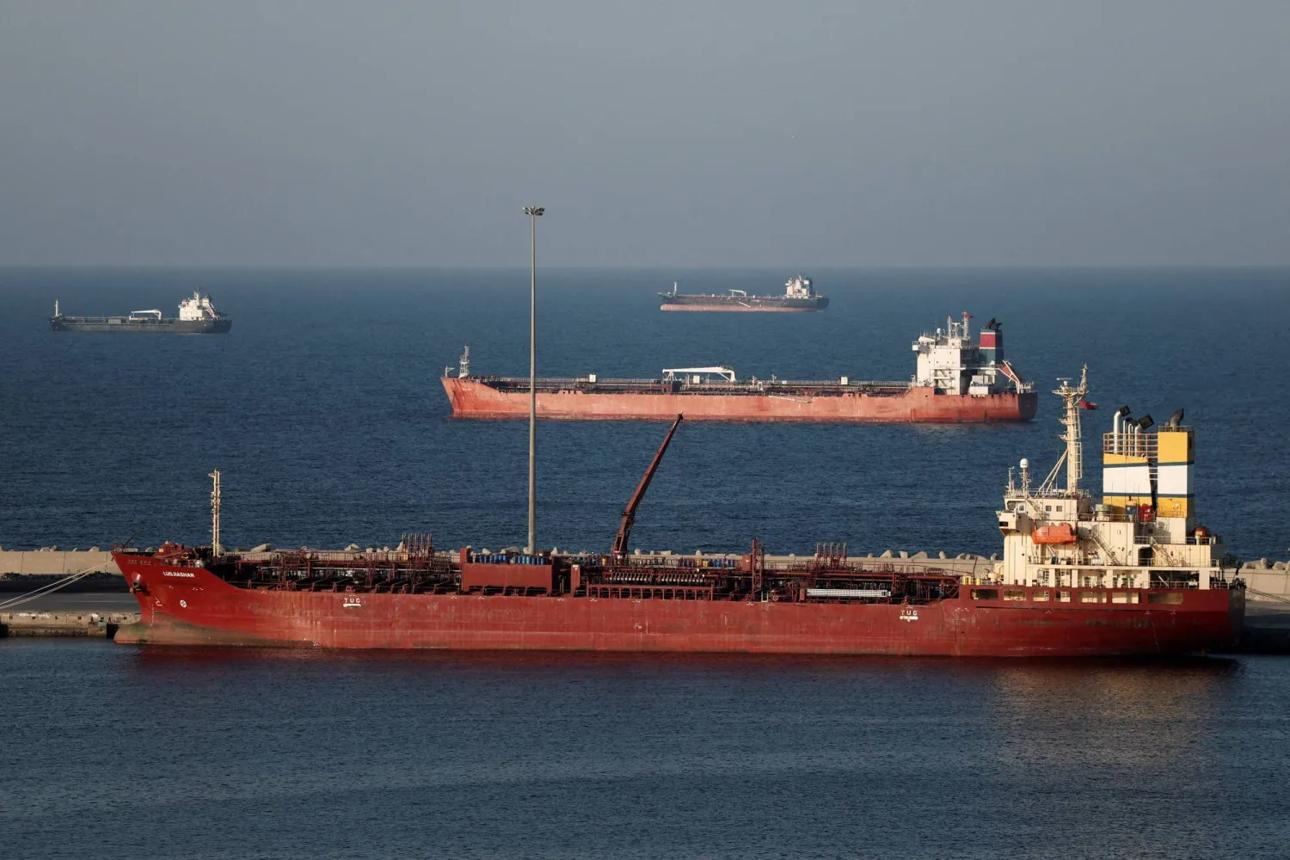

The strategic deadlock over the Strait of Hormuz is shifting against Tehran as a U.S. naval blockade effectively halts Iranian oil exports while allowing partial flow for regional neighbors, according to maritime tracking data and foreign policy experts.
Since President Donald Trump reimposed the naval blockade in July, U.S. forces have blocked all outbound Iranian crude shipments. Despite continued drone and missile threats from Iran, U.S. naval escorts have assisted Gulf Arab states in exporting roughly 5 million barrels per day through the waterway, maintaining global oil prices below critical inflationary thresholds.


“The Iranian blockade is more leaky than the U.S. blockade,” noted Samir Madani, co-founder of TankerTrackers.com. “The Iranians just aren’t able to shut it all down.”
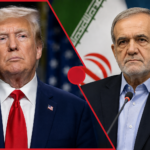
While global crude prices remain stabilized below $100 a barrel, the economic toll inside Iran has mounted rapidly. Tehran’s domestic currency, the rial, has plummeted, fueling sharp inflation and local fuel shortages. Civilian leaders, including President Masoud Pezeshkian, have publicly acknowledged the severe strain on trade, though military decision-making remains heavily influenced by senior Islamic Revolutionary Guard Corps (IRGC) commanders.


With neither side willing to compromise ahead of the upcoming U.S. midterm elections, regional experts warn that Iran may seek military escalation to break out of economic isolation rather than accept terms at the negotiating table.